



Our 2026 campaign
At ESDR, diversity, inclusion, and equity are not abstract values, they are essential to scientific progress and better patient care.
For this year’s “International Day of Women and Girls in Science”, we decided to draw attention to a critical issue in medical research: the underrepresentation of women’s data in clinical studies.
Underrepresentation affects scientific accuracy. When clinical studies lack adequate female participation, we risk overlooking sex and gender-specific disease characteristics, differences in treatment efficacy, and safety profiles unique to women. These gaps can lead to misdiagnosis, less effective treatments, and unanticipated adverse effects, undermining optimal care.
Our campaign is not only about highlighting a problem. It is about acknowledging responsibility, encouraging dialogue, and supporting solutions that move science forward.
By making underrepresentation visually, scientifically and socially visible, we aim to contribute to a future where medical research truly reflects the diversity of the patients it serves.
Better data means better science for everyone.
The International Day of Women and Girls in Science, celebrated on 11 February (United Nations’ General Assembly), is a reminder that women and girls play a critical role in science and technology communities and that their participation should be strengthened.

A systematic review of sex and gender differences in treatment outcome of inflammatory skin diseases: Is it time for new guidelines? JEADV March 2025
The article highlights the role of sex and/or gender in dermatology. Why is it essential for researchers and clinicians to consider these factors rather than treating patients as a “one-size-fits-all” population?
In dermatology, we are clearly in the era of personalized medicine, which makes a “one-size-fits-all” approach increasingly inadequate. Equity is not the same as equality, equity means fairness through difference, not fairness through sameness, acknowledging that biologically and socioculturally relevant differences between patients matter for outcomes. Sex-specific biological factors, including hormonal influences, immune responses, and skin barrier characteristics, affect disease manifestation and treatment outcomes.
At the same time, gender as a sociocultural construct shapes health behaviors, disease perception, and treatment expectations. Integrating both dimensions is therefore essential for effective, equitable, and patient-centered dermatologic care.
In dermatological research and clinical trials, where do you see the most significant gaps or biases related to sex and gender, and how do these gaps affect patient outcomes?
While biological sex is increasingly considered in contemporary study designs and is often included in post hoc analyses, it is frequently reduced to a binary or static variable, without considering dynamic factors such as hormonal changes across the life course, including menopause. Gender-related influences, by contrast, are commonly overlooked.
Our research shows that this gap is particularly evident in subjective outcomes, such as patient satisfaction and perceived treatment success, which are strongly gender-dependent. For example, women may report persistent dissatisfaction despite objective clinical improvement, are more likely to discontinue therapy, or to switch providers if their expectations are not met.
Without systematically capturing these differences, reduced adherence is often misinterpreted as non-compliance rather than as a mismatch between treatment goals and patient expectations.
More gender-sensitive outcome measures and, where appropriate, differentiated therapeutic targets are therefore essential to improve long-term outcomes and continuity of care.
How can integrating sex- and gender-sensitive approaches improve the development, safety, and effectiveness of treatments?
Integrating sex- and gender-sensitive approaches improves treatment effectiveness by aligning objective clinical outcomes with subjective treatment goals, acknowledging patient satisfaction as a core determinant of therapeutic success. While women may prioritize different outcomes or report dissatisfaction despite objective improvement, men may underreport symptoms or accept persistent disease-related impairment, these differences highlight the need for methodological sensitive research, rather than assuming differences a priori.
From a safety perspective, sex-related biological differences, such as stronger immune responses in women, are associated with a higher risk of certain adverse events and therefore require systematic consideration. This enables better identification of patients at risk, including those more likely to benefit from a therapy and those more vulnerable to harm. This leads to safer therapies, more realistic endpoints, and better translation of trial results into clinical practice. Importantly, the goal is not to systematically search for differences where none exist, but to ensure that relevant differences are identified when they do exist.
As emphasized by the World Health Organization, being male or female has a significant impact on health, not only biologically, but also through gender-related structures such as access to care, health-seeking behavior, and health system responsiveness. Recognizing these dimensions is essential for optimizing patient care and avoiding preventable gaps in safety, effectiveness, and satisfaction.
Other publications
Raymond, J.H., Aktary, Z., Pouteaux, M. et al.
Targeting GRPR for sex hormone-dependent cancer after loss of E-cadherin.
Nature 643, 801–809 (2025).
doi.org/10.1038/s41586-025-09111-x
Editorial response
Sex stratification of adverse events should be included in studies about skin disease
P.l. Spuls
Journal of the European Academy of Dermatology and Venereology, April 2024 DOI : 10.1111/jdv.19879
Linked Article: F. Verardi et al. J Eur Acad Dermatol Venereol 2024;38:719–731. DOI: 10.1111/jdv.19730
,.
Beyond the surface: Integrating sex and gender in dermatologic therapy. JEADV.2025;39:453–454.
doi.org/10.1111/jdv.20542
Reimagining how women are represented in health research

“What the Preis systematic review and emerging dermatology literature make clear is that sex and gender differences are already evident, but they have not yet been consistently evaluated or integrated into study design or translated into clinical practice. TrialHer exists to address this gap upstream by bringing researchers and women together as co-designers from the start.”
Hyatt Antognini Amin, Founder, TrialHer
TrialHer
TrialHer is a Geneva-based women’s health research start-up focused on closing the gender health gap. We work with companies, researchers, and institutions to make it easier for women to participate in advancing health research and to shape how studies are designed.
In 2026, our work centers on two connected engines. The Innovation Sandbox supports early validation for women’s health products through voluntary, opt-in virtual co-design and concept testing, helping teams catch usability and workflow issues early. In parallel, we are developing HER ATLAS, a mapping system that identifies evidence gaps across women’s health and helps prioritize what research is needed next.
Our foundational participatory research, including the Hidden Willingness market insight report, suggests the barrier is often not women’s unwillingness, but lack of access, time fit, and study design that reflects women’s realities. TrialHer’s goal is to reduce those barriers and help build more representative evidence that improves health outcomes.
“Understanding sex and gender differences is critical for advancing research and improving patient outcomes, including in dermatology. At Armora Biosciences, we’re committed to developing solutions that reflect these insights. As a Board Member of TrialHer, I strongly support efforts that make women’s health no longer an afterthought but a scientific priority.”
Dr. Tomasz Zastawny, CEO of Armora Biosciences & Board of Directors, TrialHer
Our 2026 campaign
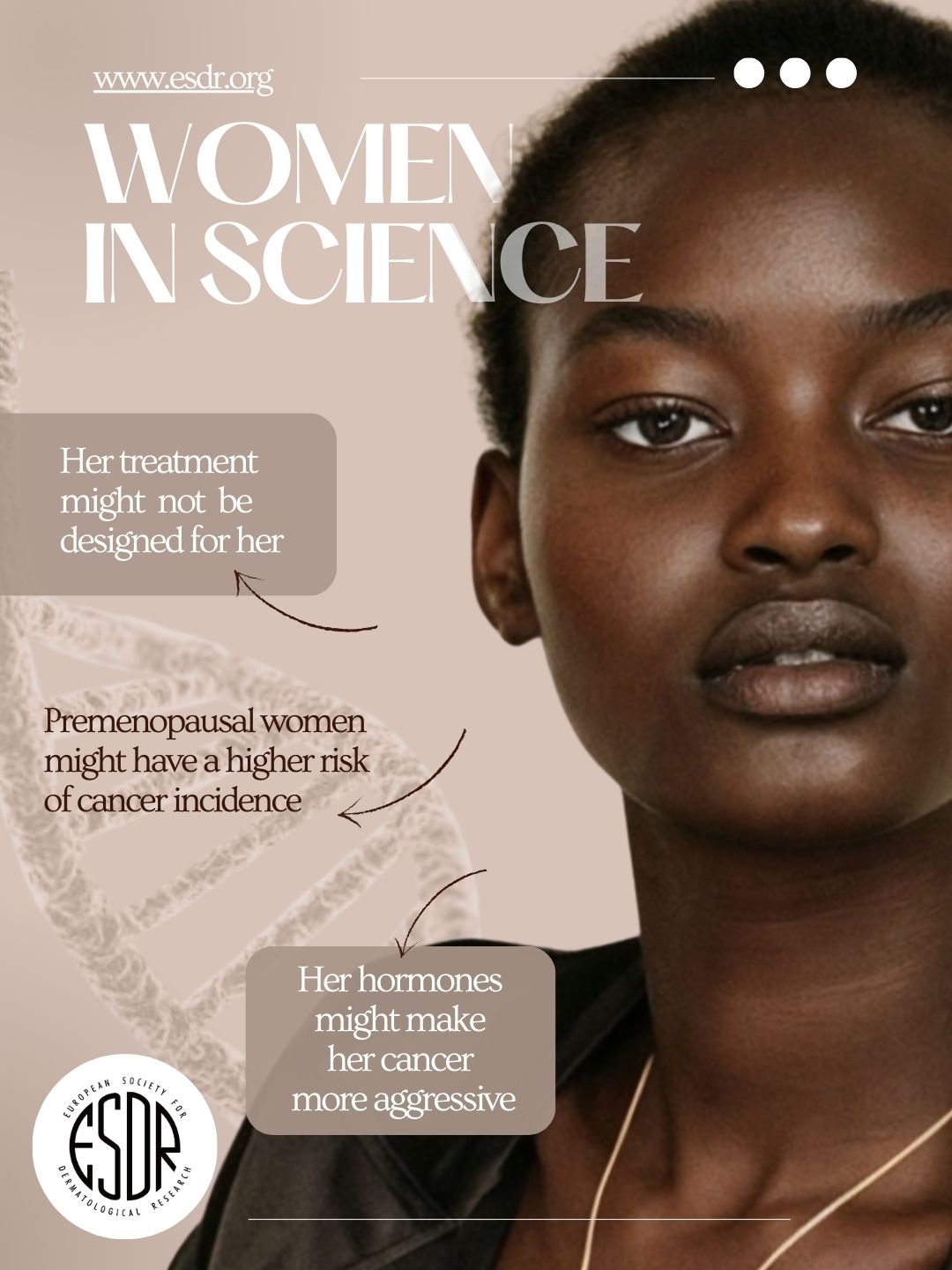
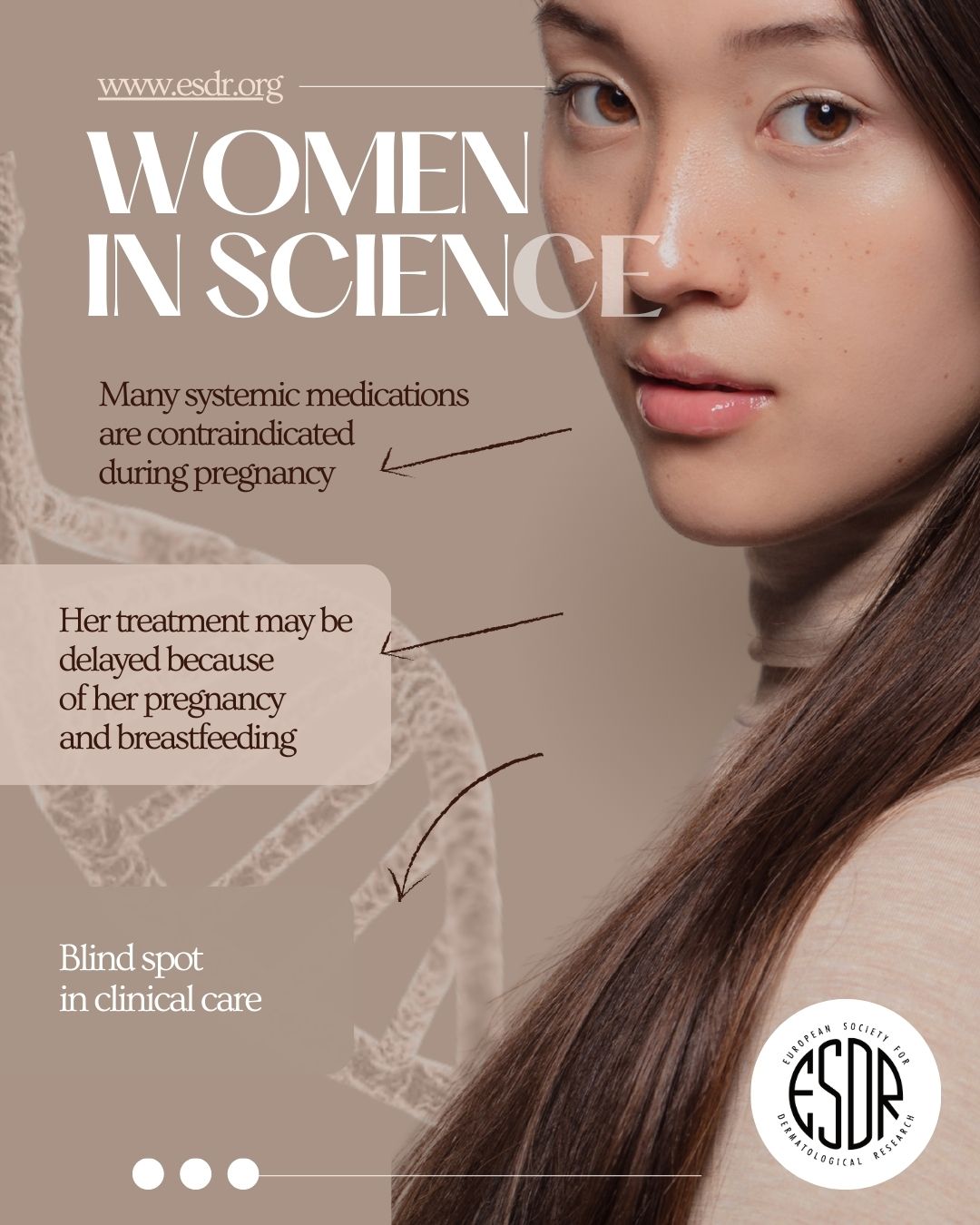
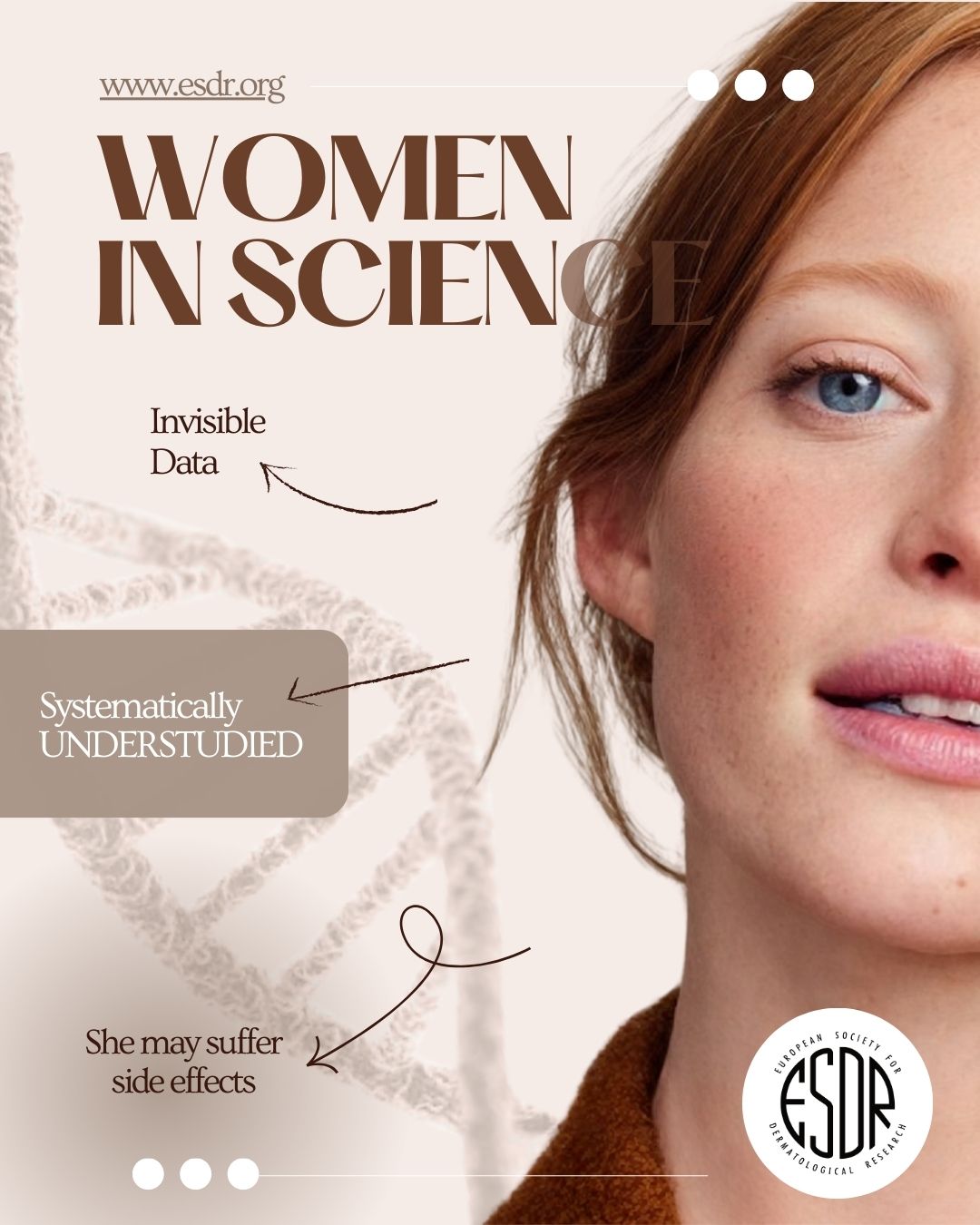
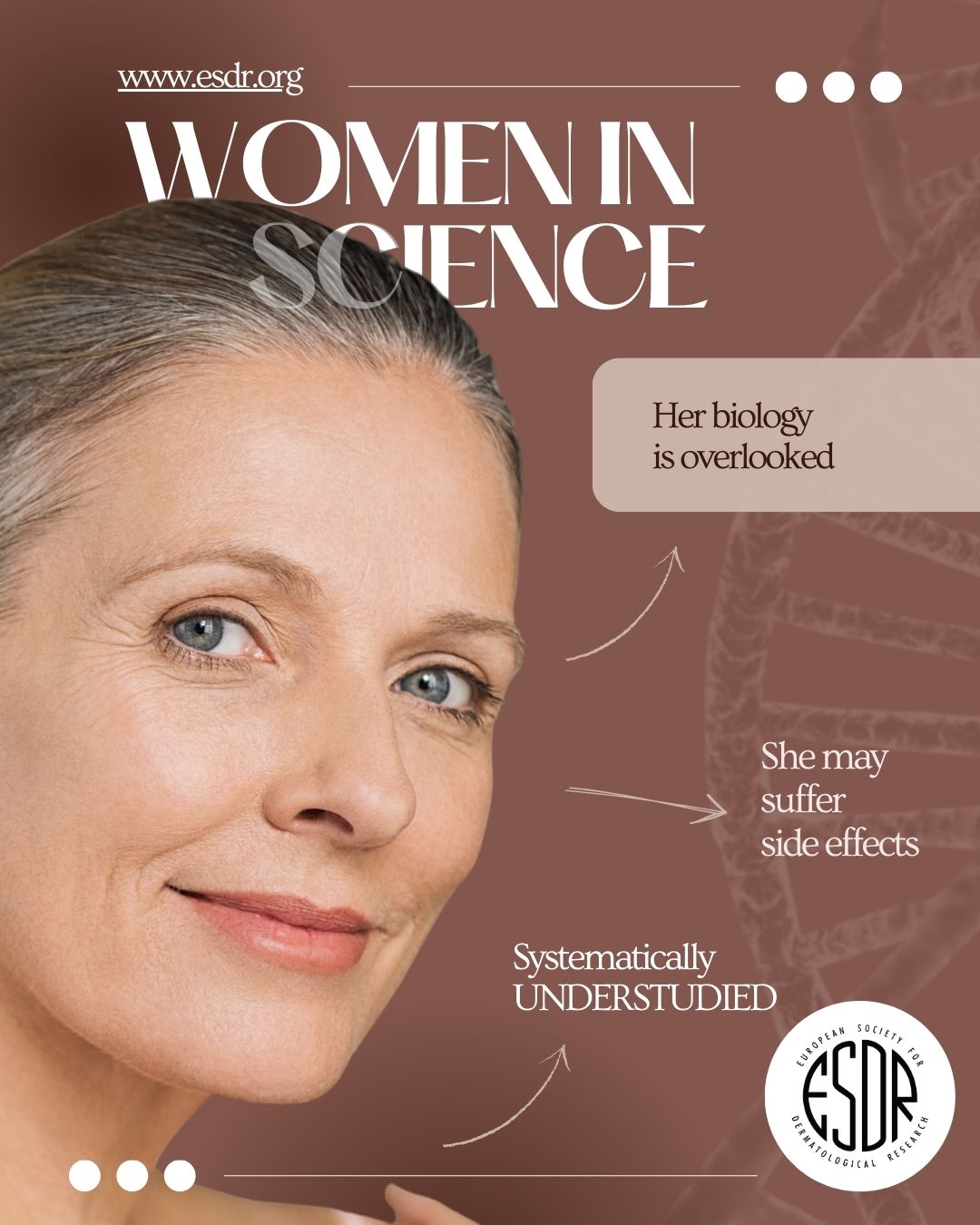
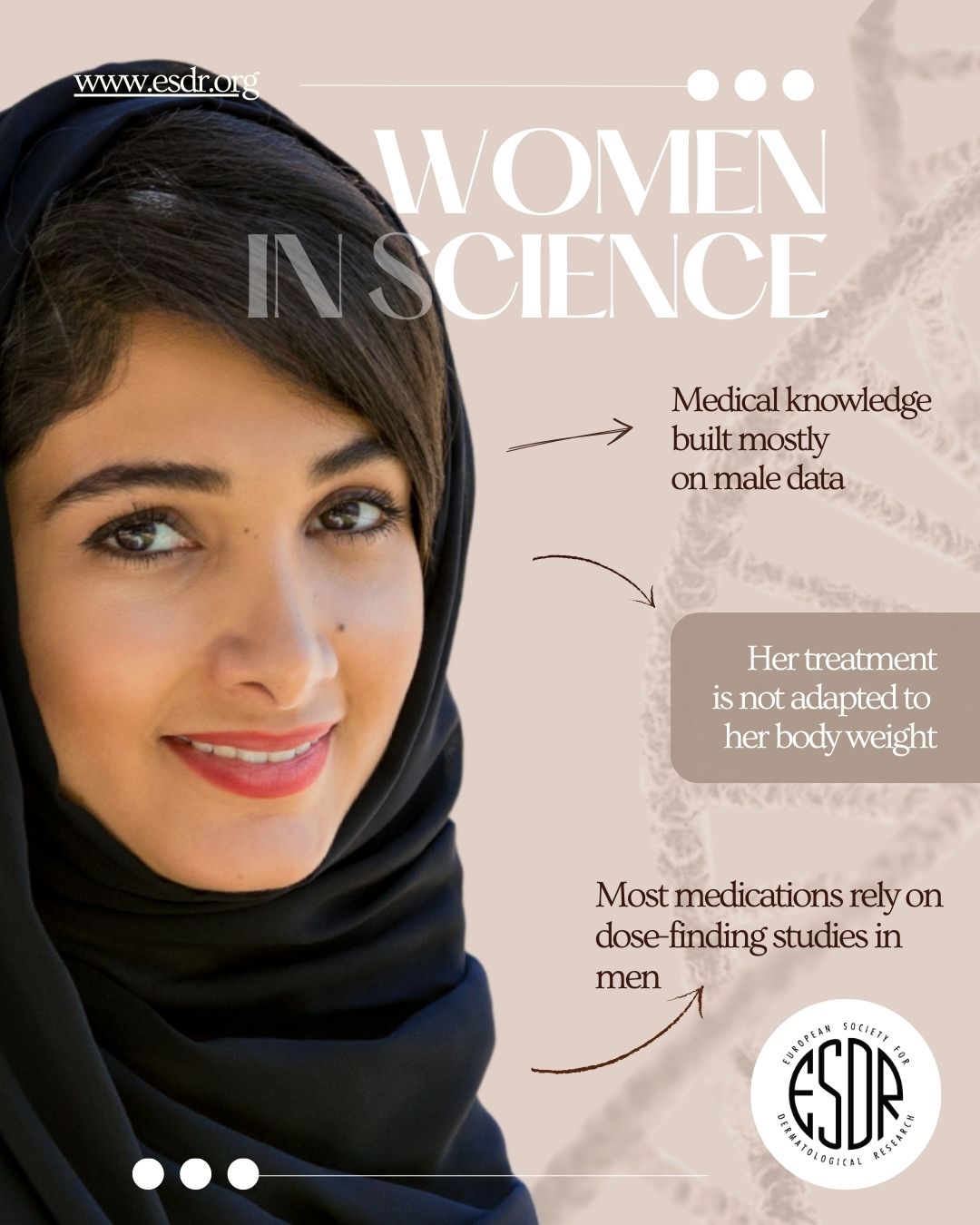
Our visuals are designed to make the invisible visible
- Diversity: Each visual features a woman from a different ethnicity and age, representing the broad diversity of patients whose data is often missing in science.
- Colours Palette: The warm range of skin tones symbolises inclusivity and reflects real human diversity, countering narrow representations common in research imagery.
- Transparent “Science”: In the campaign title, the word “Science” is partially trasnparent a visual metaphor showing how science remains incomplete when women’s data is missing.
- Strong Facts: Each piece highlights a key, data-driven insight about sex/gender gaps, underrepresentation, and the consequences for research and care, designed to surprise and provoke reflection.
Together, these elements make a clear, memorable statement: when women’s data is underrepresented, science itself is incomplete.
Photo credits on Canva
“Side effect” and “Hormones” women faces: @handmadefont , “Body weight” woman face: @gettysignature, “Pregnancy” woman face: @jacoblund, “understudied” woman face @rido, Background DNA image by @nadia-samras-images