


SkinChronicles, No 16, September 2026, by Sarah El-Heis
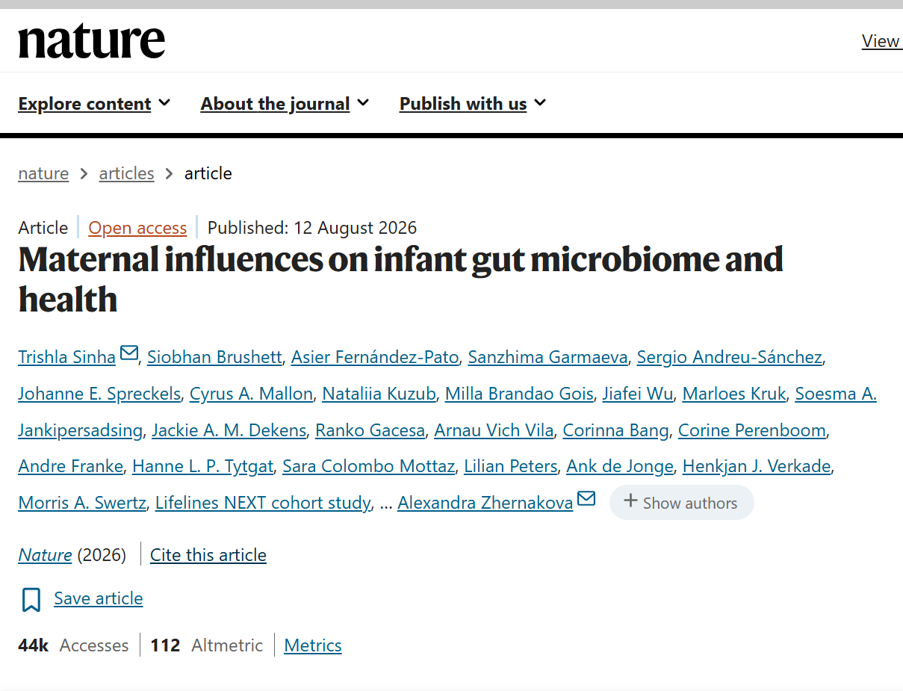
How the infant microbiome is established and contributes to disease susceptibility remains a fundamental question in human biology. In a landmark study, Sinha and colleagues applied longitudinal strain-level metagenomic profiling across mother-infant pairs to characterise microbial transmission during early life. They demonstrated that the maternal gut microbiome is the dominant source of infant gut colonisation, contributing substantially more microbial strains than either the vaginal or breastmilk microbiota.
Importantly, the study showed that maternal gut microbial diversity during pregnancy was associated with infant eczema. Infants who subsequently developed eczema were born to mothers with lower gut microbial alpha diversity (microbiome variety), linking maternal microbial ecology with later disease risk. This supports that vertical microbial transmission may influence immune ontogeny during critical developmental windows before birth when host-microbe interactions shape immune tolerance and inflammatory responses.
A major strength of this work is its move towards a mechanistic framework of microbial inheritance. By resolving transmission at strain level, the authors show how maternally derived microbial communities contribute to infant microbiome assembly and potentially to downstream disease susceptibility. These observations raise important questions regarding which microbial taxa, genes and metabolites mediate immune education and influence pathways relevant to pathogenesis. Understanding how maternally transmitted microbes influence immune maturation may identify opportunities for intervention and prevention before disease onset.
This paper resonates strongly with me because it demonstrates how insights from early-life programming of health and disease can advance our understanding of inflammatory skin disease and inform translational skin research.
Reference:
Sinha, T., Brushett, S., Fernández-Pato, A. et al. Maternal influences on infant gut microbiome and health. Nature (2026). https://doi.org/10.1038/s41586-026-10922-9
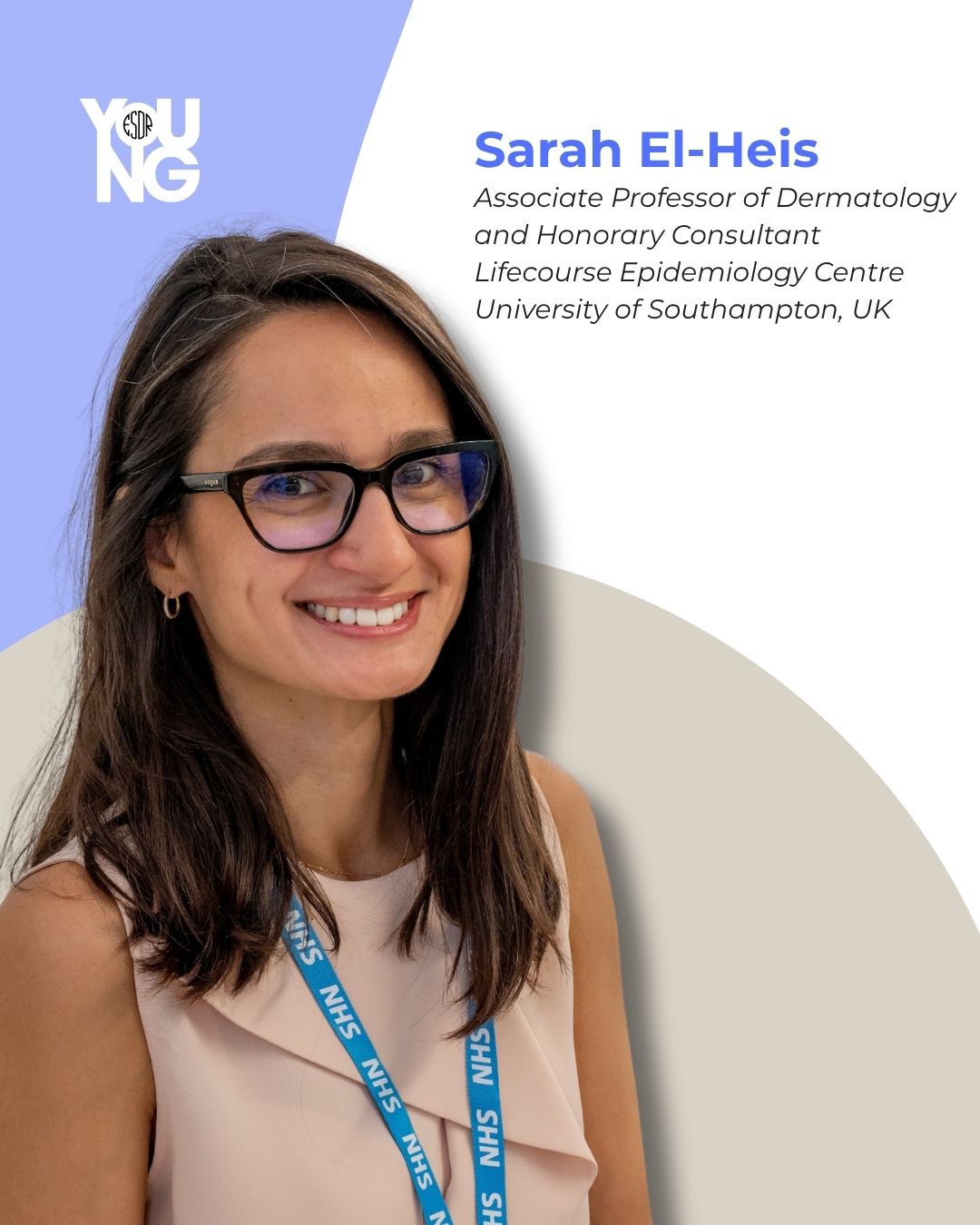
Associate Professor of Dermatology and Honorary Consultant
Lifecourse Epidemiology Centre
University of Southampton, UK