


SkinChronicles, No 17, October 2026, by Attila Gábor Szöllősi
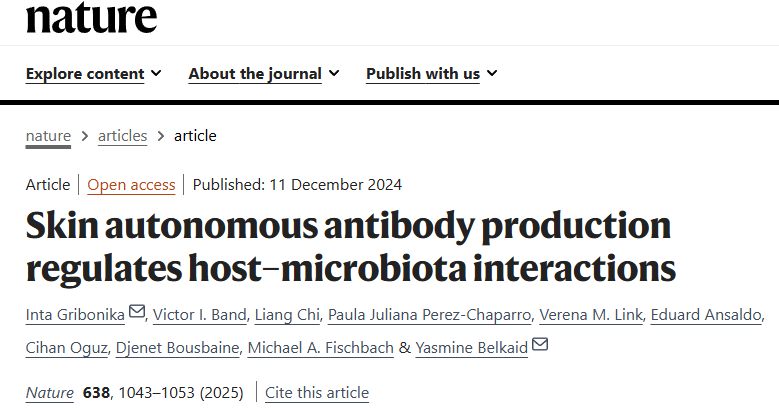
In my previous contribution [1], I introduced my personal favorite type of skin cell, Langerhans cells, and showcased their relatively novel central role in maintaining tolerance by inhibiting tissue-resident memory T-cells. As detailed by Gribonika et al. [2], Langerhans cells have once again grown beyond the confines we have assigned to them, as they are shown to be involved in, if not central to, the organization of antibody responses to skin microbiota.
Using a complex and elegant approach integrating cell tracking, tissue imaging and selective cell depletion, Gribonika and colleagues showed that the skin can form local immune structures supporting antibody production against newly introduced commensal bacteria. Importantly, these responses were independent of draining lymph nodes, and were organized in the skin.
These responses involved follicular helper T-cells, which supported the B cell activation and isotype switch observed against the commensal bacteria. To me, the origin of these cells was somewhat surprising, as they were found to be re-educated regulatory T-cells, and the “mastermind” behind their reprogramming was Langerhans cells. This is supported by the fact that their depletion markedly reduced local follicular helper T-cell development and abolished the bacterium-specific IgG response.
As someone focused on how the cutaneous environment shapes Langerhans cell function, I find this particularly compelling. It connects their ability to influence T-cell behaviour with a wider role in local immune organization. Even after decades of research, our familiar epidermal sentinels continue to surprise us.
Reference:
- https://esdr.org/chronicles/a-resident-tolerogenic-role-for-a-resident-dendritic-cell/
- Gribonika I, Band VI, Chi L, et al. Skin autonomous antibody production regulates host–microbiota interactions. Nature. 2025;638:1043–1053. https://doi.org/10.1038/s41586-024-08376-y
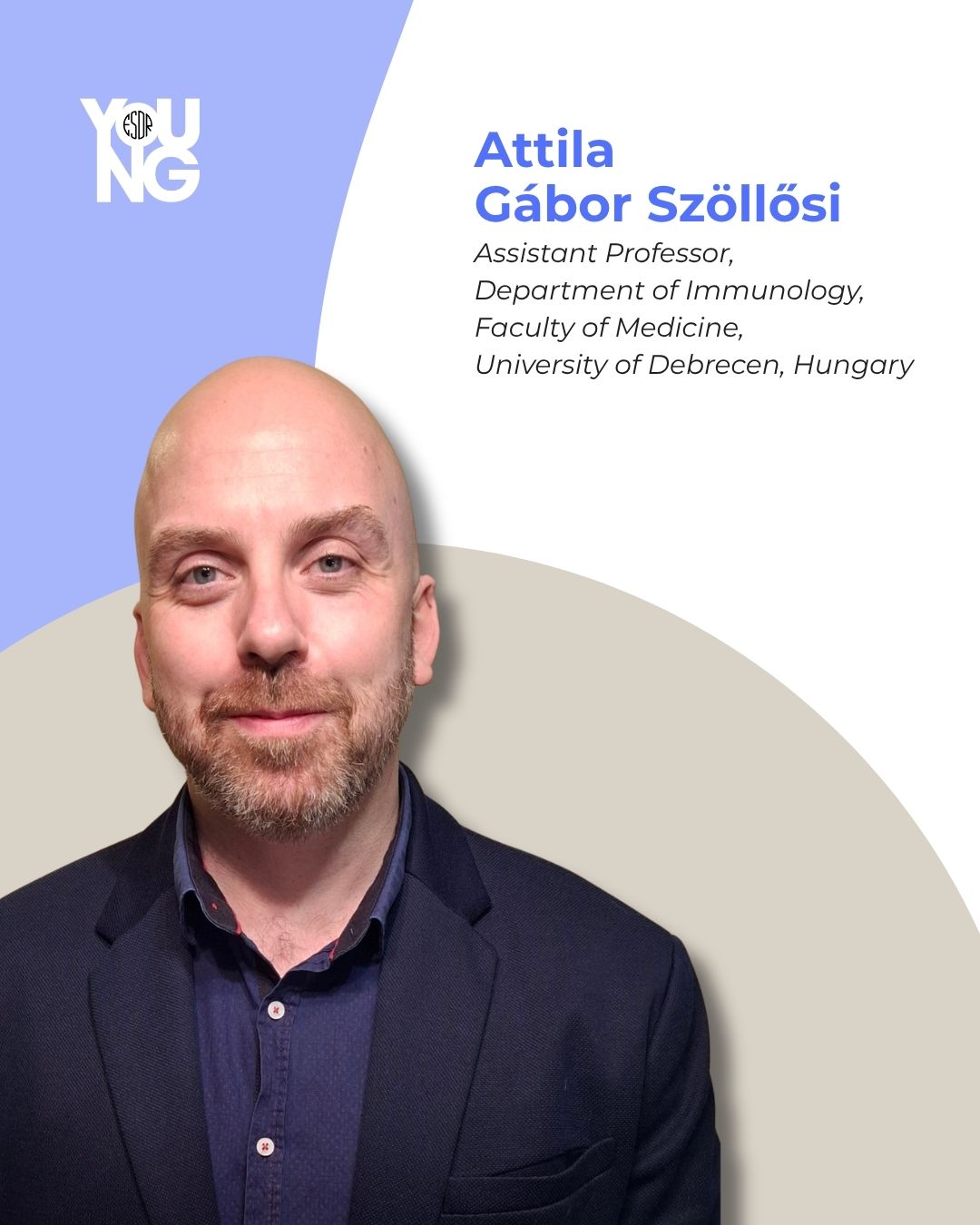
Assistant Professor,
Department of Immunology, Faculty of Medicine,
University of Debrecen, Hungary
